

Polybutylene Pipe Replacement Port St Lucie Homeowners Guide
Polybutylene pipe replacement Port St. Lucie homeowners need, becomes urgent when you realize those grey pipes were installed as temporary solutions that your insurance company won’t cover when they fail. If your Port St. Lucie home was built before 1995, those grey pipes in your walls might be ticking time bombs.
Key Takeaways:
- Polybutylene pipes were installed in 67% of PSL homes built between 1978-1995 and typically fail within 20-25 years of installation
- Most Florida insurers exclude polybutylene pipe failures from coverage as of 2023, leaving homeowners liable for water damage costs
- Complete polybutylene replacement with PEX piping takes 2-3 days for most Port St. Lucie homes and requires St. Lucie County permits
Port St. Lucie experienced massive residential growth during the polybutylene era. Developments like Tradition, St. Lucie West, and Torino used these pipes because they were cheap and easy to install. Now those same homes face expensive repiping projects that experienced plumbers in Port St Lucie FL handle daily. The difference between proactive replacement and emergency repairs after failure can save thousands in water damage costs.
How Do You Know If Your Port St. Lucie Home Has Polybutylene Pipes?
Polybutylene pipes are identified by grey color and PB2110 stamp. Most PSL homeowners find them in three locations: behind water heaters, under sinks, and in crawl spaces where the main line enters the house.
Check your water heater connections. Look for grey pipes connecting to your water heater. Polybutylene pipe (PB2110) will have the marking stamped directly on the pipe surface every few feet.
Inspect under kitchen and bathroom sinks. Remove cabinet doors and look at the supply lines. Polybutylene appears grey or dark blue, different from white PVC or copper-colored galvanized steel pipe.
Examine where water enters your home. In most PSL homes, this is near the garage or utility room. The main supply line will show the PB2110 marking if your home has polybutylene.
Check your home’s construction date. PSL building records show polybutylene was standard in developments built between 1978 and 1995. Homes in Tradition built in the early phases used polybutylene almost exclusively.
-
Look for grey fittings at pipe joints. Unlike white PVC or brass fittings, polybutylene uses grey plastic connections that match the pipe color.

Don’t confuse polybutylene with galvanized steel pipe, which appears silver or has rust stains. PVC pipes are white or cream colored. The PB2110 stamp is the definitive identifier, no other residential pipe material uses this marking.
Why Polybutylene Pipes Fail in Florida’s Water System
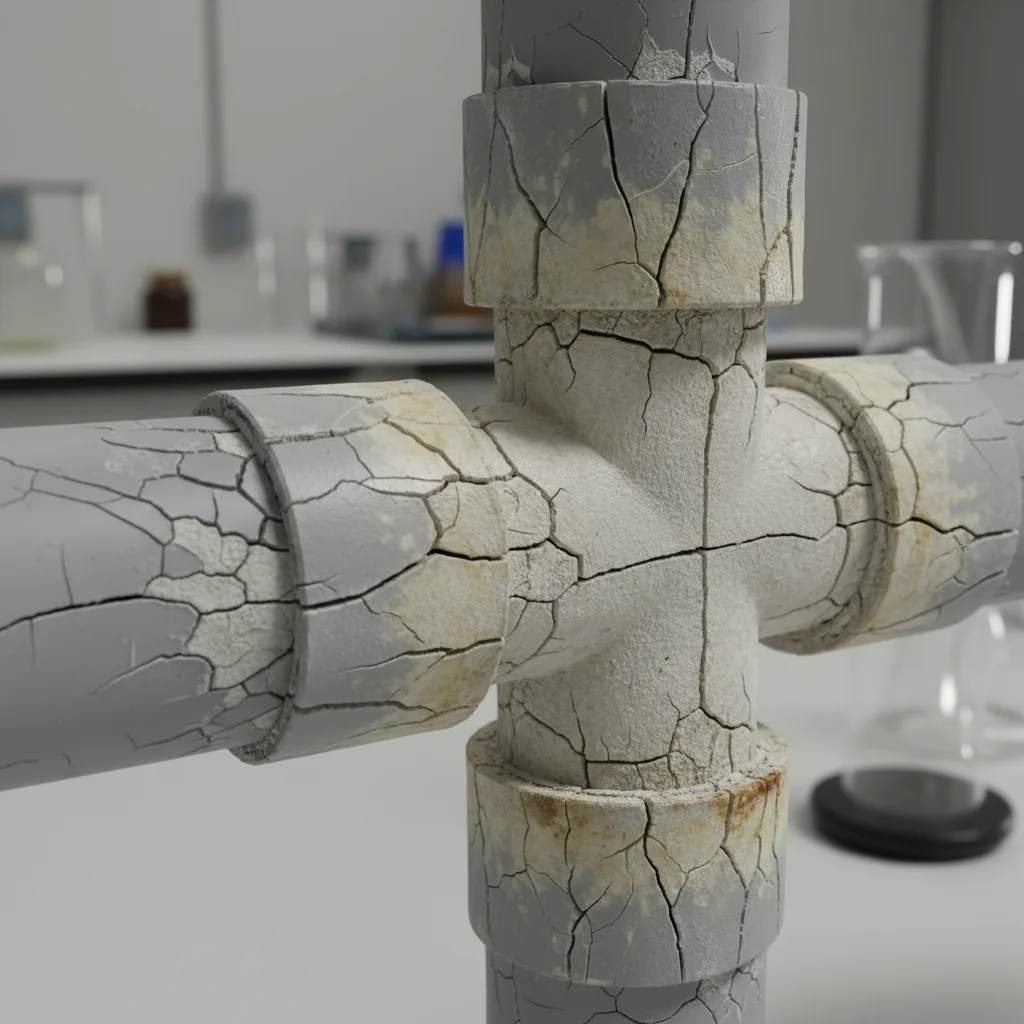
Chlorine degradation is the chemical breakdown of polybutylene plastic when exposed to disinfectants in municipal water. This means Port St. Lucie’s treated water supply attacks the pipe material from the inside, making it brittle over time.
Chlorine levels in PSL municipal water range from 0.5-4.0 ppm, which causes polybutylene to become brittle within 15-20 years. Florida’s year-round heat accelerates this process compared to northern climates. The pipes don’t leak slowly, they fracture suddenly, often when water pressure spikes during peak usage hours.
Florida DBPR plumbing contractor license holders see a consistent failure pattern. The pipe wall thickness decreases as chlorine breaks down the plastic polymers. Micro-cracks develop at pipe joints and fittings first, then spread along the pipe length. When the pipe finally fails, it splits open completely rather than developing small leaks.
Temperature fluctuations make the problem worse. PSL homes experience significant temperature swings between air-conditioned interiors and hot attics or crawl spaces. This expansion and contraction stresses already-weakened polybutylene until it snaps.
The brittle fracture pattern means homeowners get no warning. One day the pipes work fine, the next day you have a flood. This sudden failure mode is why insurance companies stopped covering polybutylene damage, the claims were too expensive and too frequent.
What Insurance Companies Won’t Tell You About Polybutylene Coverage
Florida insurers exclude coverage for polybutylene pipe failures as a standard policy practice. The table below shows how major carriers handle polybutylene coverage in 2024:
| Insurance Company | Polybutylene Coverage | Policy Action | Disclosure Requirement |
|---|---|---|---|
| State Farm Florida | Excluded since 2019 | Non-renewal upon discovery | Required at policy inception |
| Citizens Property | Excluded for new policies | Coverage denial for homes with poly-B | Inspector verification required |
| Universal Property | Excluded since 2020 | Premium surcharge if not replaced | Annual declaration required |
| Heritage Property | Partial coverage first year only | Replacement required within 12 months | Professional inspection mandatory |
Most PSL homeowners discover the coverage gap when they file a claim. Water damage from polybutylene failures isn’t covered, leaving homeowners liable for repair costs that average $15,000-25,000 per incident. This includes flooring replacement, drywall repair, mold remediation, and temporary housing costs.
Home resale value drops significantly with polybutylene pipes. Buyers either demand complete replacement before closing or negotiate price reductions of $8,000-12,000 to cover future repiping costs. FHA loans require polybutylene disclosure and many lenders won’t approve mortgages without replacement timelines.
The coverage phase-out happened quietly. Insurance companies didn’t send notifications to existing policyholders, they simply added exclusions during renewal periods. Homeowners learned about the change when claims were denied.
Whole-house repipe projects become necessary once insurers drop coverage. Partial repairs don’t restore coverage because remaining polybutylene pipes still present the same risk profile that caused the original exclusion.
Polybutylene Replacement Options for Port St. Lucie Homes
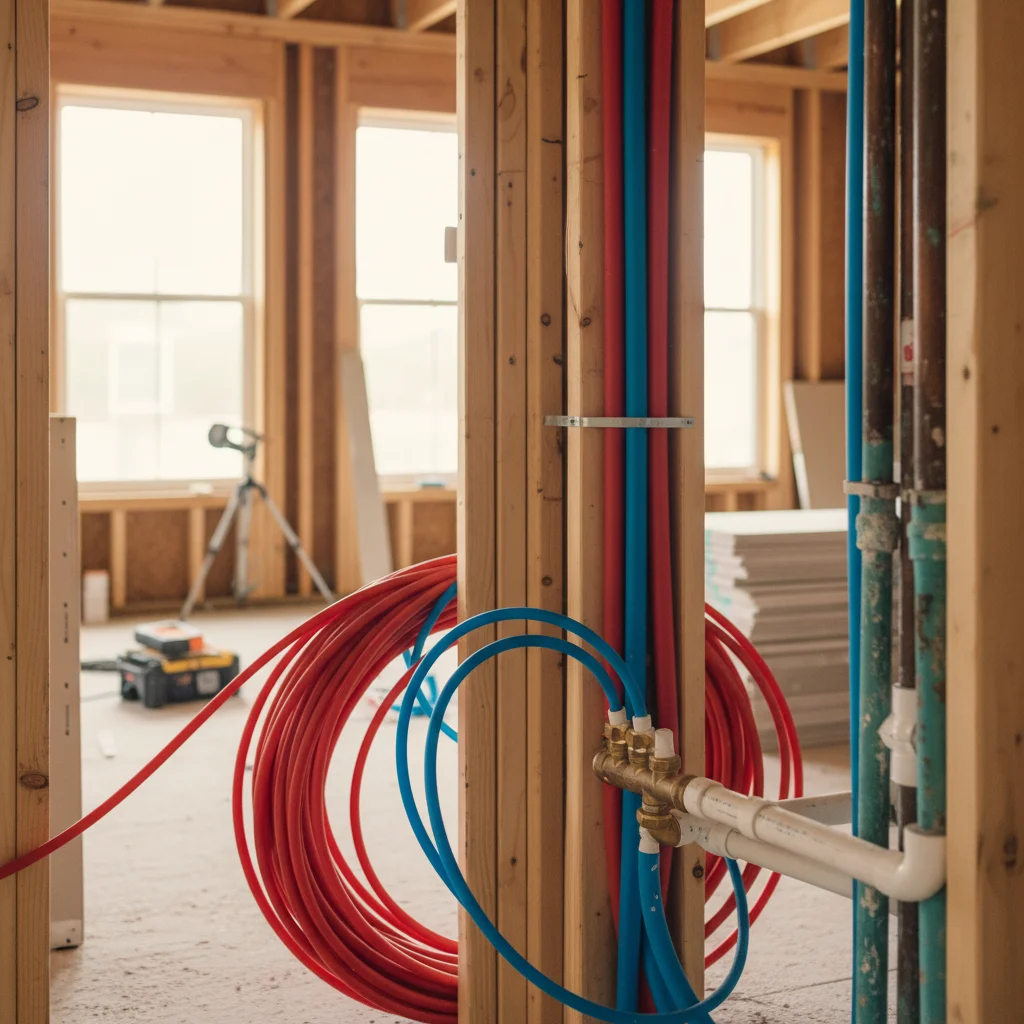
PEX repiping offers better performance than polybutylene pipe replacement with copper for Florida’s climate conditions. The comparison below shows why most PSL contractors recommend PEX:
| Feature | PEX Repiping | Copper Repiping | Partial Replacement |
|---|---|---|---|
| Material warranty | 25 years | 15 years in Florida water | None (mixed materials) |
| Installation time | 2-3 days typical | 4-5 days typical | 1 day per section |
| Freeze resistance | Flexible, won’t burst | Rigid, prone to splitting | Varies by section |
| Corrosion resistance | Excellent | Poor in PSL mineral water | Compromised at connections |
| Permit cost | $150-200 whole house | $150-200 whole house | $75-100 per section |
Pipe material selection depends on your home’s layout and budget. PEX pipes carry a 25-year warranty compared to 15-year typical lifespan for copper in Florida’s mineral-rich water. PSL’s water contains minerals that cause copper pipes to develop pinhole leaks within 12-15 years.
Whole-house repipe projects cost less per foot than partial replacements. You get economies of scale, single permit fees, and avoid the problem of connecting new pipes to old polybutylene. Mixed pipe systems create weak points where different materials connect.
Partial replacement seems cheaper upfront but costs more long-term. Remaining polybutylene pipes continue failing on their own timeline, requiring repeated service calls and additional permits. Most Florida contractors won’t warranty work that connects to existing polybutylene.
St. Lucie County requires permits for any repiping work that affects more than two fixtures. The permit process takes 3-5 business days and includes pressure testing requirements that ensure proper installation.
What to Expect During Polybutylene Replacement in PSL

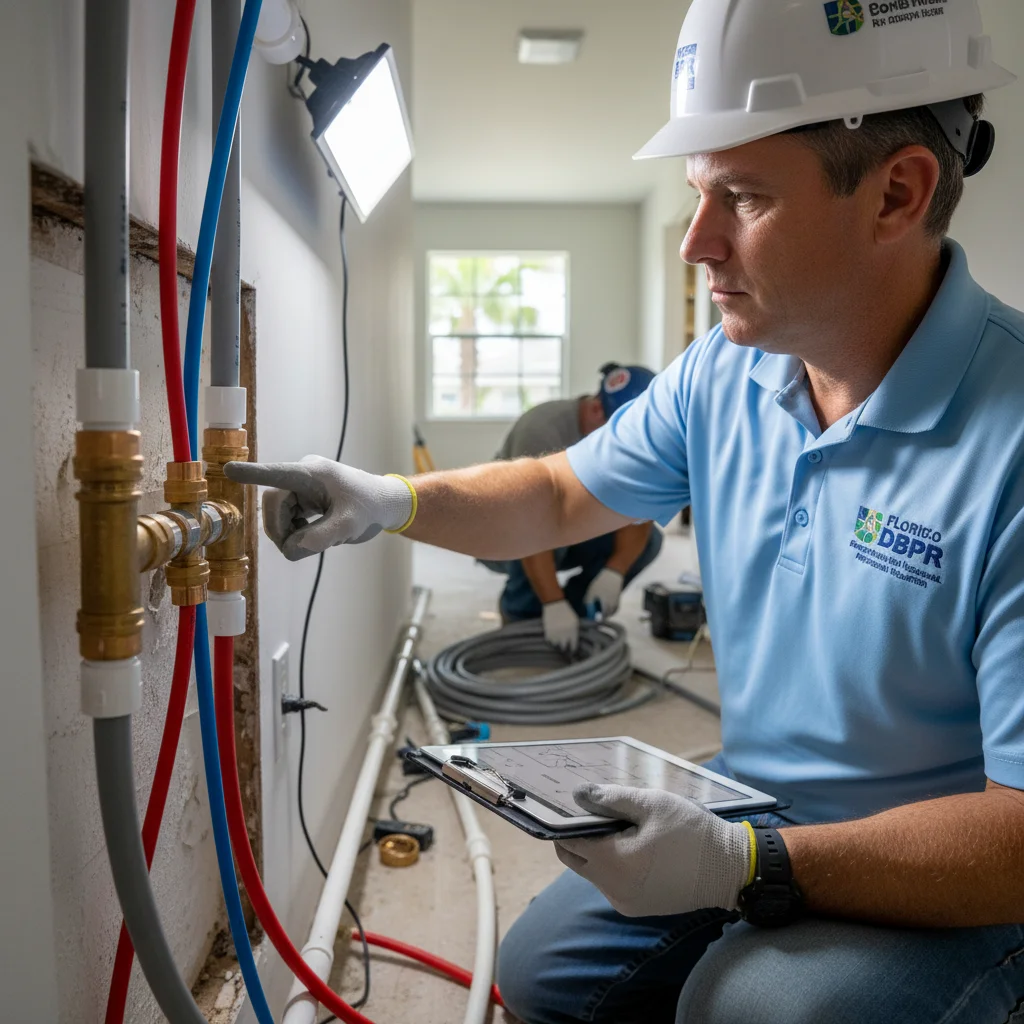
Licensed Florida DBPR contractors complete polybutylene replacement within 2-3 days for typical Port St. Lucie homes. The process follows county requirements for permits, inspections, and water service restoration.
-
Permit application with St. Lucie County. Your contractor submits plans showing pipe routes, fixture connections, and pressure test locations. Permits typically approve within 2-3 business days.
-
Water shutoff and drain system. Main water supply gets turned off for 6-8 hours on day one while new supply lines are installed. Hot water heater gets drained and disconnected.
-
Remove old polybutylene pipes. Contractors cut out existing pipes and fittings, leaving openings in walls where new pipes will run. Drywall repair happens after new pipes are tested.
-
Install new pipe system. PEX or copper pipes get routed through the same pathways. Connections to fixtures happen on day two after supply lines are complete.
-
Pressure test new system. County inspectors require 24-hour pressure testing at 150 PSI to verify no leaks exist. Water stays off during this test period.
-
Final inspection and restoration. St. Lucie County schedules final inspection within 24-48 hours of completion. Water service resumes after inspection approval.
-
Wall and ceiling repairs. Contractors patch drywall holes and touch up paint where pipes were accessed. Flooring replacement happens if pipes ran under floors.
Homeowners need to prepare by clearing access to all fixtures and removing items from cabinets under sinks. Whole-house repipe projects require alternate water arrangements for 2-3 days, though contractors can often provide temporary connections for essential needs.
St. Lucie County inspection requirements include pressure testing documentation and photos of all connections before walls are closed up. Failed inspections delay project completion and water restoration.
Frequently Asked Questions
How long do polybutylene pipes typically last in Port St. Lucie homes?
Polybutylene pipes in PSL typically fail within 20-25 years due to chlorine degradation from municipal water treatment. Most homes built in the 1980s are now experiencing failures. The pipes become brittle and crack without warning, often causing significant water damage.
Can I sell my Port St. Lucie home with polybutylene pipes?
You can sell a PSL home with polybutylene pipes, but disclosure is required and it significantly impacts value. Most buyers either demand replacement before closing or negotiate substantial price reductions. Cash buyers are typically more willing to purchase homes with poly-B pipes.
Do I have to replace all polybutylene pipes at once?
Partial polybutylene replacement is possible but not recommended in Port St. Lucie. Remaining poly-B pipes will continue to fail, and connecting new pipes to old polybutylene creates weak points. Most Florida DBPR contractors recommend complete replacement to avoid repeated failures.